Ahmed Aboutaleb in conversation with Maurits Chabot


Interviewer
Maurits Chabot
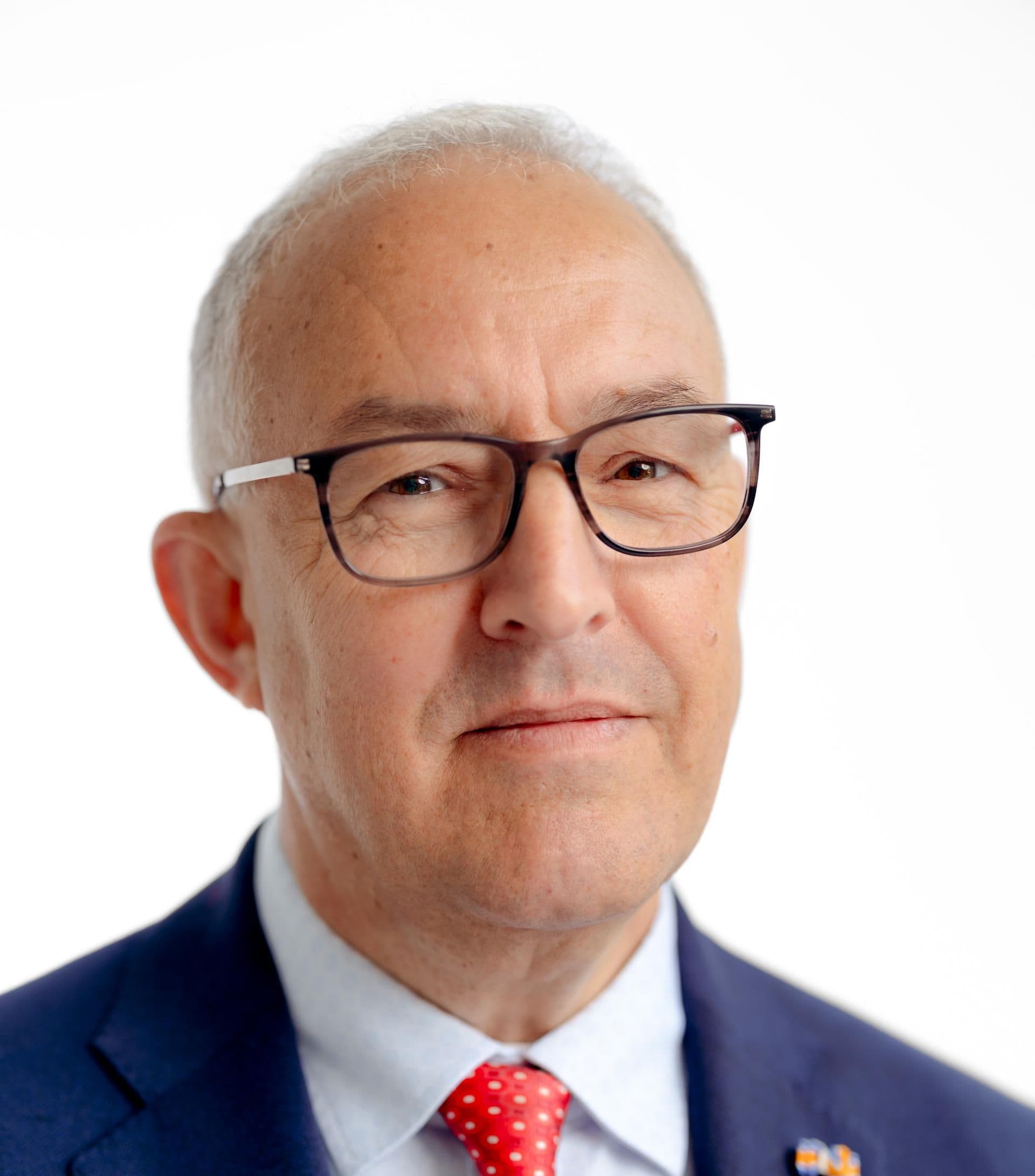
Photography by: Marwan Magroun
AUTHOR
Ahmed Aboutaleb
Ahmed Aboutaleb (born 1961) served as alderman in Amsterdam from 2004 to 2007. In 2007 and 2008, he was State Secretary for Social Affairs and Employment in the Balkenende IV cabinet on behalf of the Labour Party (PvdA). From 2009 to 2024, he served as mayor of Rotterdam. He previously authored the political essay Droom & daad and translated works by the Syrian poet Adonis. Aboutaleb is also a passionate lover of poetry.
Thuis (Home) is the candid autobiography of Ahmed Aboutaleb, in which he reflects for the first time on his extraordinary life and political journey. From his childhood in Morocco to his years as mayor of Rotterdam, accompanied by unique photographs from his private archive.
Born in Beni Sidel, Morocco, Aboutaleb moved at the age of fifteen from the Rif Mountains to a working-class neighborhood in The Hague. He quickly learned Dutch, worked hard at school, and took charge of his own future early on. He didn't just want to take part, he wanted to make a difference. His determination and social engagement took him from a technical college to a career in journalism, after which he became a spokesperson at the Ministry of Social Affairs and Employment.
In 2004, he became Amsterdam’s first alderman of Moroccan descent, standing out for his strict sense of justice and his unwavering commitment to equal opportunities for all. Shortly afterward, the murder of Theo van Gogh shocked the Netherlands, and Aboutaleb’s outspoken stance put him at the center of national debate. The threats he received were so severe that he was forced into temporary hiding.
In 2007, he joined the Balkenende IV cabinet as State Secretary for Social Affairs and Employment. Two years later, he became mayor of Rotterdam. As the first Muslim mayor of a major European city, he came to be seen as a symbol of successful integration, though not without facing skepticism. Above all, he remained a no-nonsense leader, present in the neighborhoods, listening to residents, and speaking plainly, whether on safety, radicalization, or social inequality. After the Charlie Hebdo attack in 2015, he made headlines with his sharp, emotional response: “If you don’t value other people’s freedom, pack your bags and leave.”

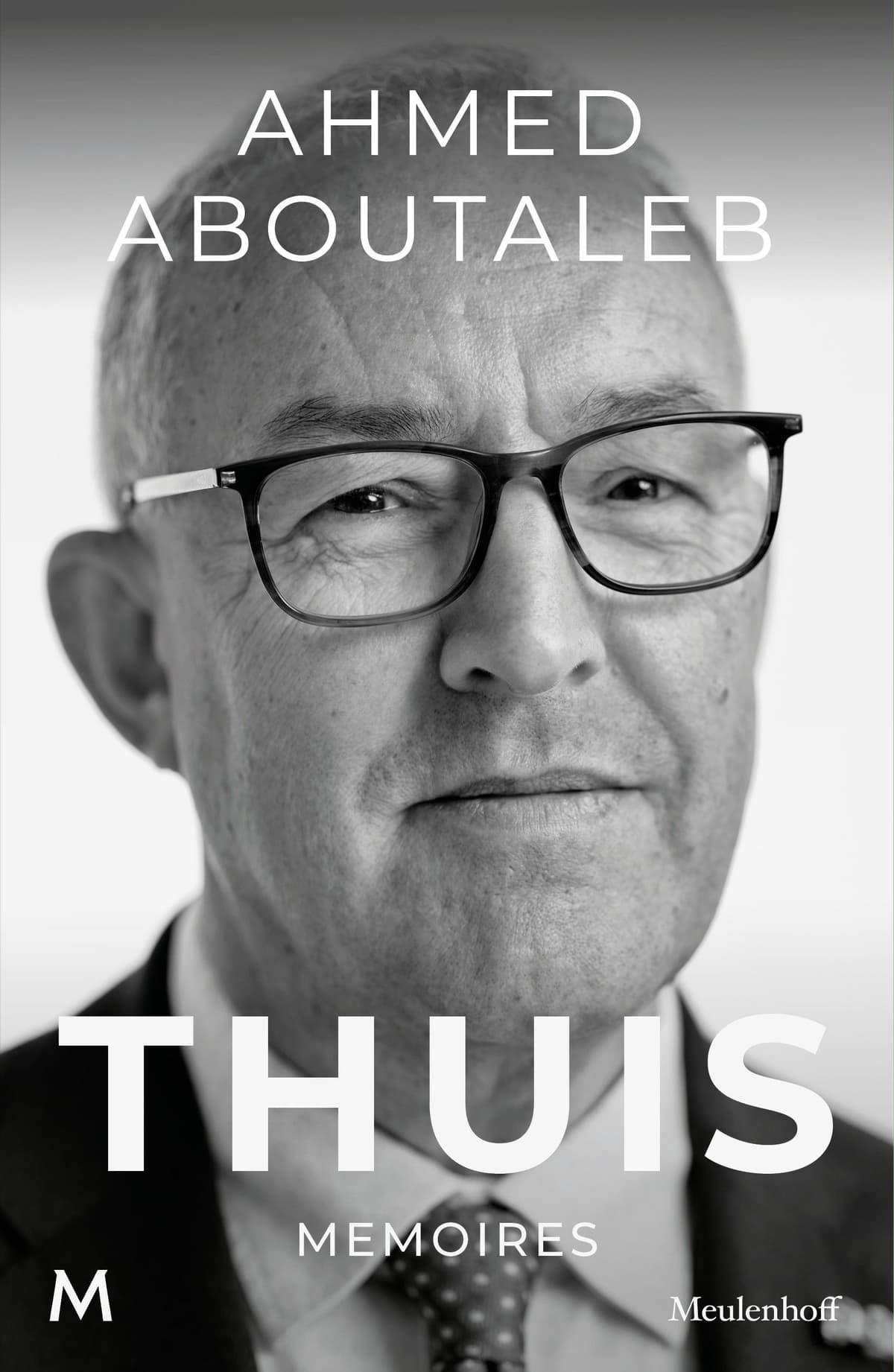
Thuis























.png&w=256&q=75)