Abdelrahman ElGendy



Photography by: Fadel Dawod
AUTHOR
Abdelrahman ElGendy
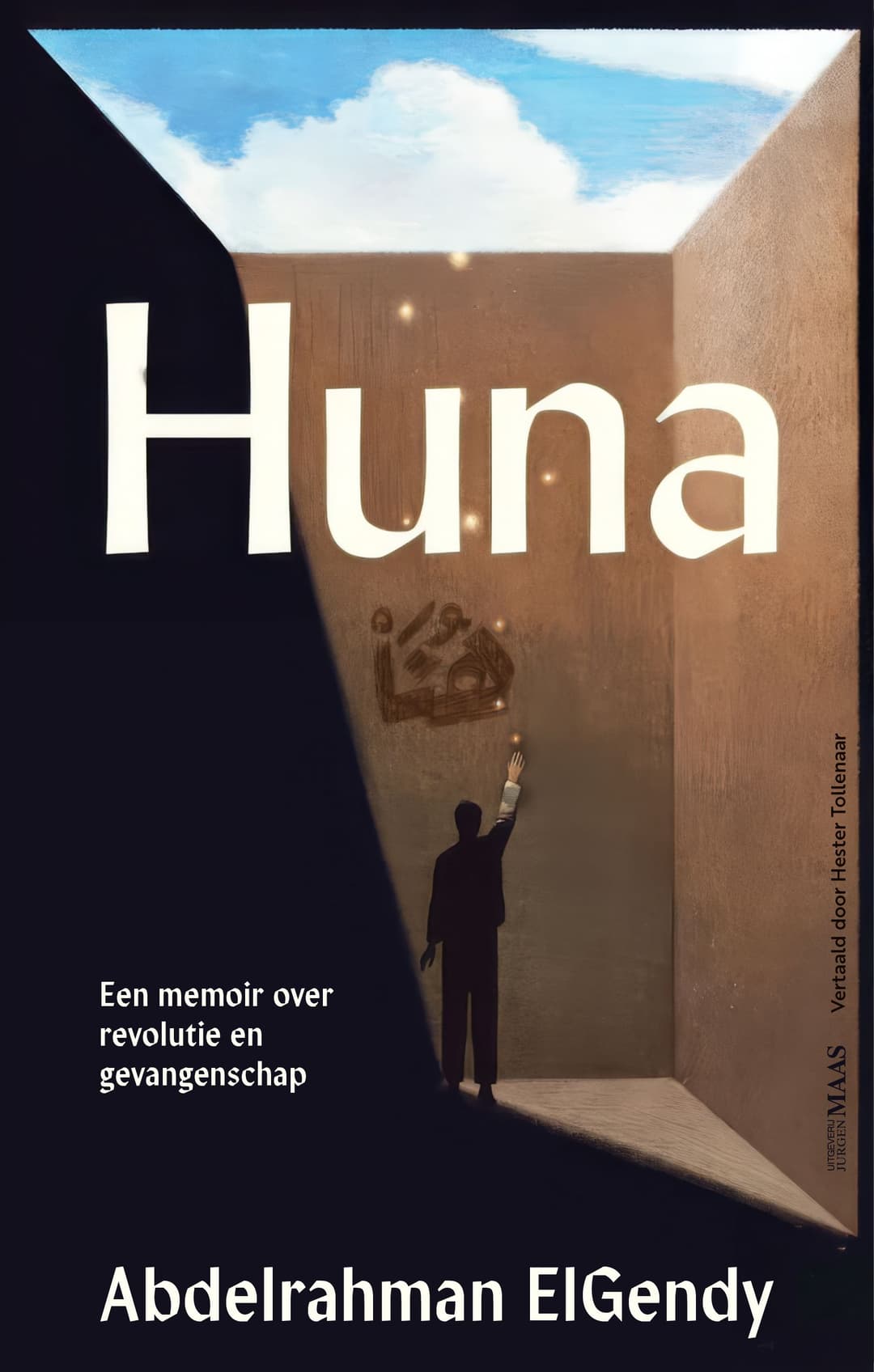
Abdelrahman ElGendy presents his gripping memoir Huna at Crossing Border. As a student, he was imprisoned as a political detainee in Egypt alongside his father. The book will be published during the festival.
About Huna
Cairo, 2013. Two years after the revolution, hope for a free Egypt has faded. Following a military coup that resulted in unprecedented numbers of protester deaths, seventeen-year-old student Abdelrahman ElGendy doesn’t hesitate—he joins the demonstrations. His father, fearing for his son’s safety, accompanies him to a large protest. Within minutes, before they even step out of their car, they are overwhelmed by the police. Their lives will never be the same again.
In his cell, ElGendy hears the Arabic protest song “Sawfa Nabqa Huna” ,‘We will remain here” for the first time. But what, he wonders, do his fellow prisoners mean by “here”? Surely no one wants to remain imprisoned.
Over the next six years, as a political prisoner, he searches for the meaning of this “here,” this “Huna,” while he and his father are moved from cell to cell, until he ends up in Scorpion, Egypt’s most notorious prison. His body nearly gives out, his situation seems hopeless, but by writing down his testimony, he finds a way to endure.
In this powerful debut, ElGendy offers not hope, but provocation. With Huna, he shows what it takes to persist when you are being erased, and what remains when all hope is gone.
Abdelrahman ElGendy (Cairo) studied Nonfiction Writing at the University of Pittsburgh and won the Samir Kassir Press Freedom Award. His work has appeared in The Washington Post, Foreign Policy, The Nation, and Guernica.

Huna

















.png&w=256&q=75)