International Poetry Stage with Otoniya J. Okot Bitek, Marek Torčík, Antjie Krog, Urszula Honek and poetry films


Be prepared for an eclectic mix of languages, themes and imagery when four of our festival artists perform a set of poems during our International Poetry programme. Otoniya J. Okot Bitek, Marek Torčík, Antjie Krog and Urszula Honek will read in English, Czech, Afrikaans and Polish (translations screened) and will be accompanied by a selection of poetry films.
Poetry films:
Ode Marítima by Fu Le/Tetrapode, after a poem by Fernando Pessoa
and others
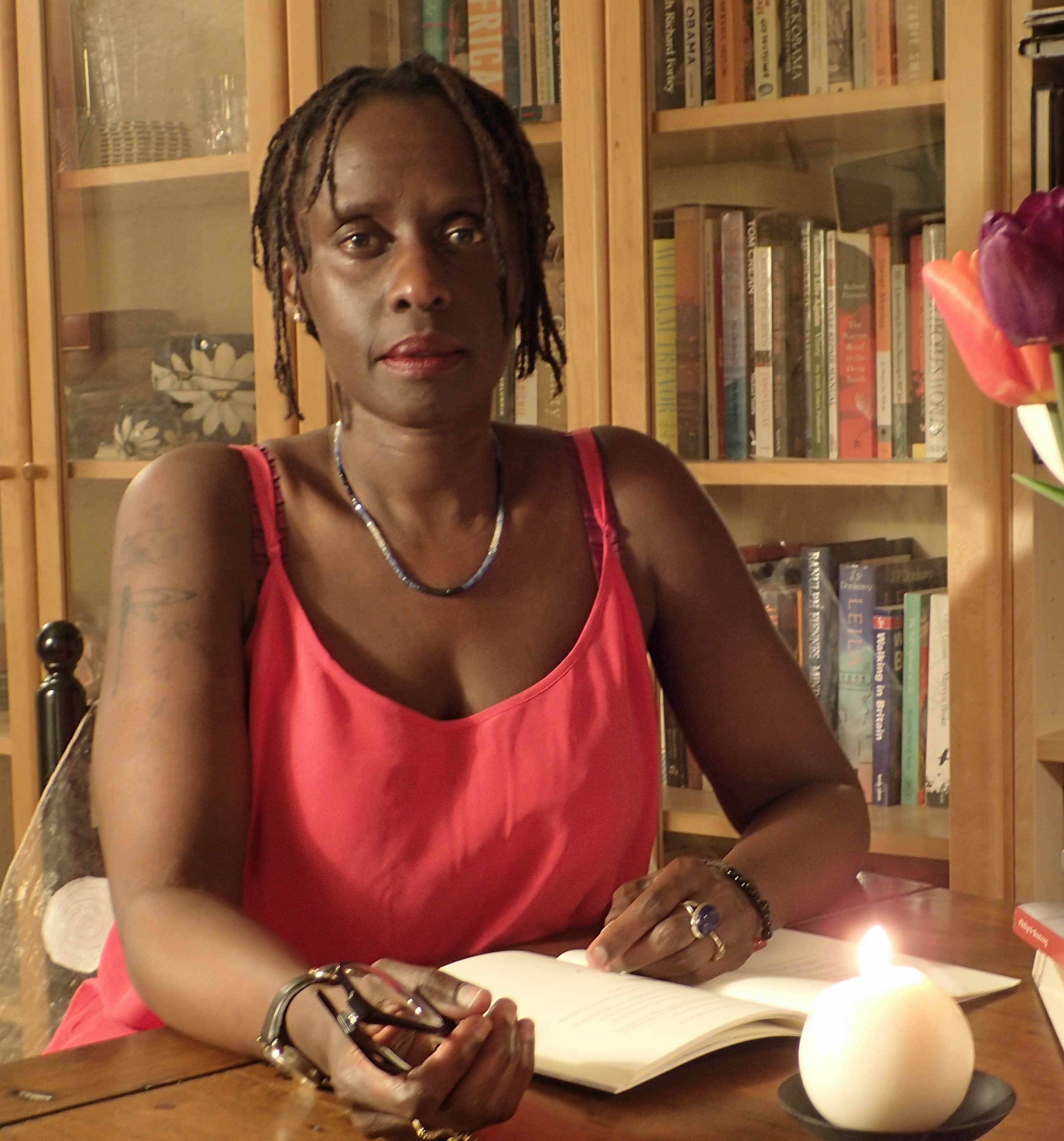
Photography by: Seasmin Taylor
AUTHOR
Otoniya J. Okot Bitek
Otoniya J. Okot Bitek (Canada/Uganda) is a writer known for her award-winning fiction and poetry. She teaches Black Creativity at Queen’s University in Kingston, Ontario, Canada. We, the kindling is her debut novel.
At Crossing Border, she will talk about her novel.
About We, the kindling
Miriam, Helen, and Maggie—three women in their late twenties—carry the physical and emotional weight of their teenage years, when they were trained as child soldiers in Uganda’s Lord’s Resistance Army. In lyrical yet unflinching prose, Otoniya J. Okot Bitek weaves together their past and present: the rhythm of life before the war, the circumstances of their abduction, and the perilous journey home.
A deeply moving novel full of compassion and humanity, We, the kindling refuses to sensationalize cruelty and tragedy. Instead, it highlights strength, courage, and the unbreakable bonds between those who survive.

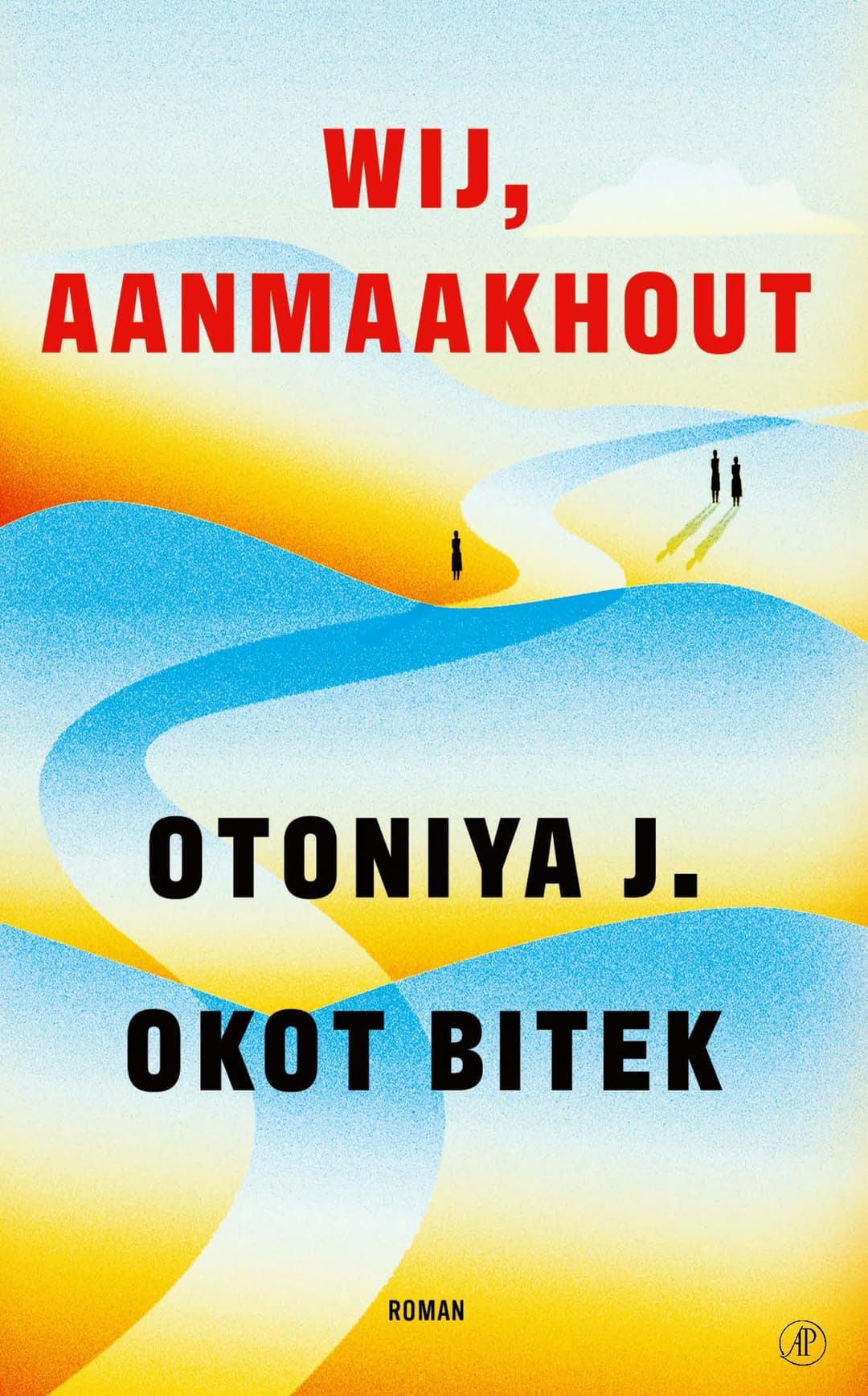
Wij, aanmaakhout


Jacek%20Taran%20Honfrei.jpg&w=3840&q=75)
Photography by: Jacek Taran Honfrei
AUTHOR
Urszula Honek
Urszula Honek (Poland) was born in Racławice and writes both prose and poetry. She has received numerous awards for her work.
At the Crossing Border Festival, she will speak about her debut: the beautiful short story collection Witte nachten.
In Witte nachten, Urszula Honek writes with an incredibly rich palette of language, color, and style about the longing, sorrowful, and loving people of a sleepy village at the foot of the Polish Beskids. Set in a remote, hilly forest landscape, she gives voice to these lives through thirteen interconnected stories.
In one story, friends who have known each other since school search for work. In another, a girl unknowingly helps her grandmother as she dies. In yet another, a young unmarried woman yearns for more than life seems willing to offer.
Life in the village is marked by nameless fears rooted in the past, but also by friendship, empathy, and a deep connection to all living things.
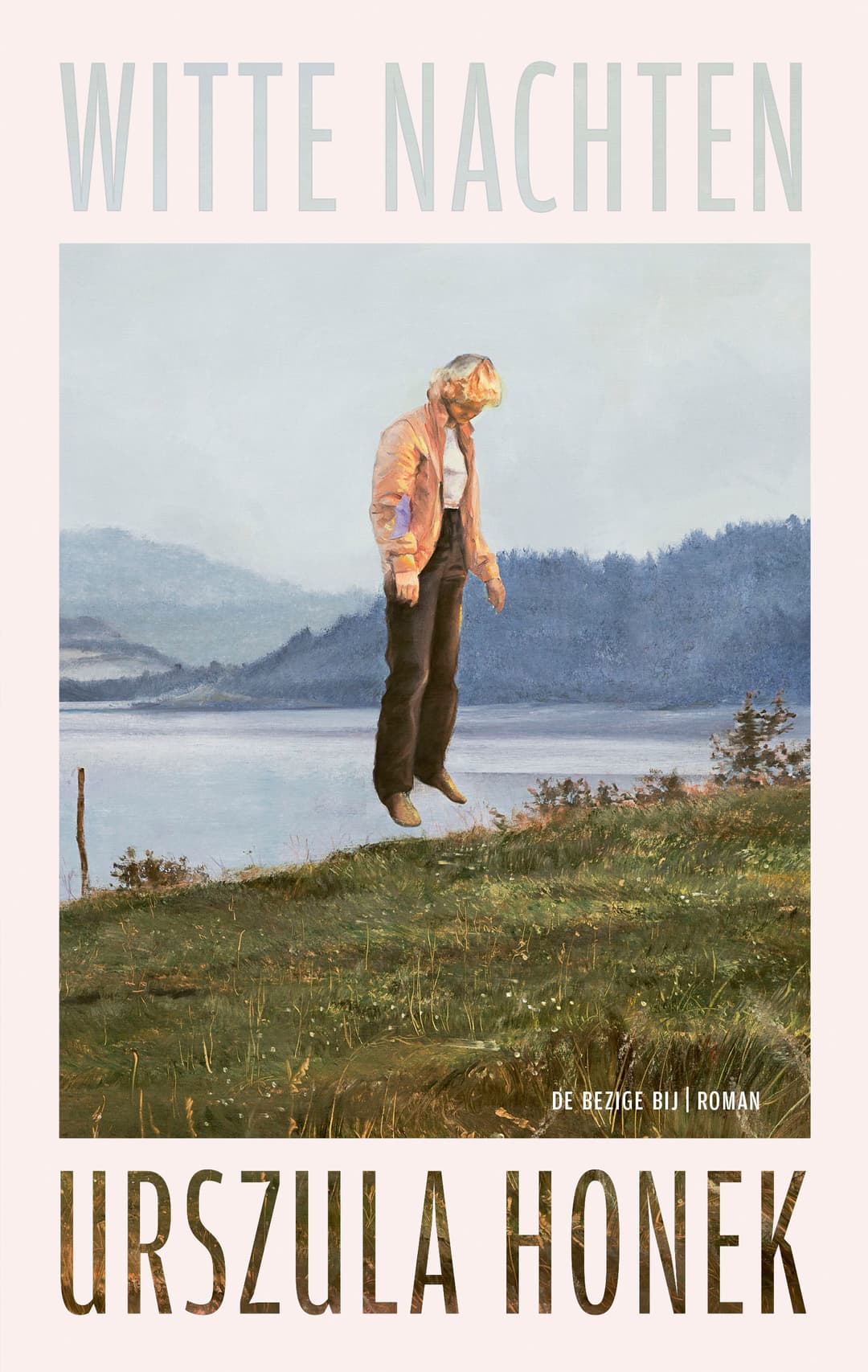
Witte Nachten

%20Barbora%20Mars%CC%8Ci%CC%81c%CC%8Cek.jpg&w=3840&q=75)
Photography by: Barbora Maršíček
AUTEUR
Marek Torčík
Marek Torčík (1993) is a poet, novelist, and journalist from Přerov, now based in Prague. His poetry collection Rhizomy was published in 2016, and he was a finalist in the Czech-Slovak competition Básne SK/CZ twice. Memory Burn (2023), his debut novel, has received critical acclaim as it was awarded the Magnesia Litera, Best Novel (2024), the Jiří Orten Prize (2024) and the Susanna Roth Award (2024). The rights have been sold in 27 languages. Irma Pieper’s translation of Marek’s debut novel, in Dutch Brandend geheugen, will be published this year at De Arbeiderspers. During the festival, his work will be translated into Dutch by Lysanne Aarsman.
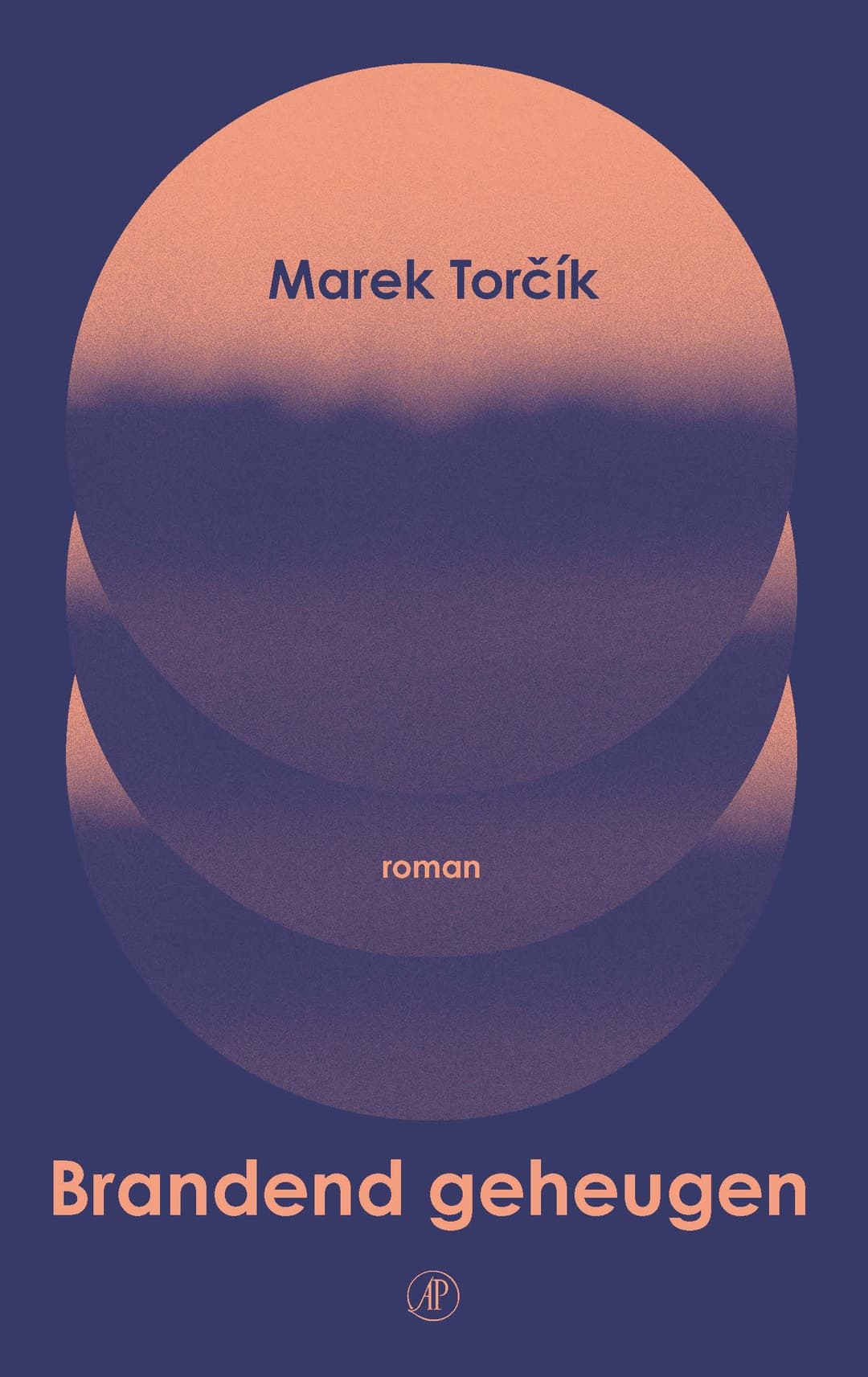
Brandend geheugen

Photography by: Brenda Veldtman
AUTHOR
Antjie Krog
Antjie Krog is one of South Africa’s most celebrated authors.
At the age of seventeen, she made her debut with the poetry collection Daughter of Jephthah, the beginning of a versatile and much-awarded body of work. Her perspective on and portrayal of South Africa and femininity resonates with audiences around the world.
At Crossing Border, Antjie Krog discusses her debut novel Blood’s Inner Rhyme. It tells the story of the relationship between mother and daughter, Krog’s most personal and at the same time most universal book. It explores cultural heritage, land ownership, ancestral ties, interracial love relationships, and stories about the Boer War.
About Blood’s inner Rhyme
When her mother becomes seriously ill, Antjie Krog returns to her birthplace in the Free State province after a year’s absence. More deeply than ever, Krog feels connected to the woman who gave her life, and to her roots. Nevertheless, mother and daughter, both writers, sometimes seem as different as night and day. In touching exchanges of letters, the two challenge each other to understand one another’s circumstances and worlds. And so it becomes clear that the history of their motherland may well be the most defining factor in their lives.











.png&w=256&q=75)